
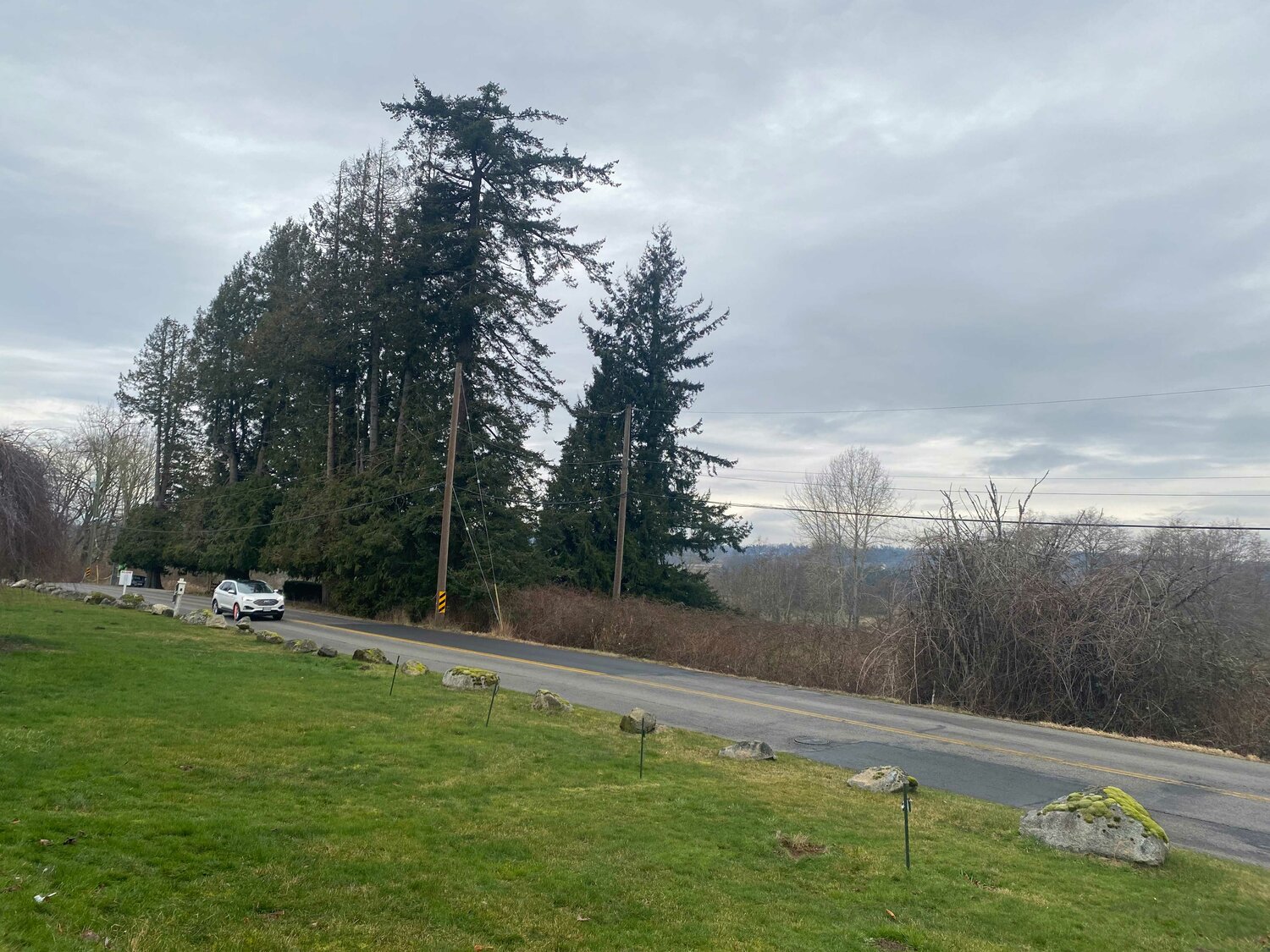
U.S. Border Patrol has recently added another layer of rock to prevent people from driving illegally across the U.S./Canada border in Blaine.
According to CBP spokesperson Jason Givens, the federal agency placed 275 feet of rock along 99th Street in Blaine on January 27 and January 30. The barrier reinforces rocks placed there at least 15 years ago that have sunk into the ground.
The U.S. Border Patrol Blaine Sector has had 85 drive-throughs since 2023, according to its Facebook page.
Givens said the Border Patrol has been installing rock, concrete and block barriers in high-traffic areas to deter unauthorized vehicle crossings and mitigate risks to people living nearby, which is part of a broader strategy to address security along the U.S./Canada border.
U.S. Border Patrol also installed concrete barriers along the border in Maine, according to media reports.
“We are committed to safeguarding the residents of northwest Washington while ensuring the integrity of our border,” wrote Rosario Vasquez, chief patrol agent of Blaine Sector, in a statement. “These measures are designed to enhance security and protect our communities from the potential dangers posed by these incidents.”
The U.S. Border Patrol installed a cable barrier near Lynden in 2020 after people were illegally driving across the border.
The International Boundary Commission (IBC) is a joint U.S./Canadian organization that oversees the border, which includes approving permanent structures added within 10 feet of either side of the boundary.
J.T. Moore, deputy commissioner for the U.S. section of the IBC, said the rock, concrete and block barriers that the U.S. Border Patrol has deployed don’t need IBC approval because they are considered non-permanent structures.
The IBC recently investigated a chain-link fence that garnered international attention after the city of Delta put it along the U.S./Canada border in Point Roberts and Tsawwassen, B.C. on January 16. The fence was placed there after an elderly Tsawwassen man wandered into Point Roberts and died of exposure. The fence came down shortly after public outcry.
Moore said the nonpermanent barriers are easily movable if they hinder IBC’s work to maintain the boundary, while fences can’t be moved as easily.