I tried to be a living kidney donor to my niece, Megan. But after in-depth evaluations at two transplant centers, with many twists and turns, I was rejected.
With the two denials and my initial feeling of failure, I decided advocating for living kidney donation was a positive thing for me to do because of the great need for more donors.
Last year, I read in The Northern Light about the Share Your Spare event hosted by Mount Baker Foundation, a Bellingham-based nonprofit that has a strong focus on kidney health and diabetes prevention. I was prompted to attend the event after reading in the newspaper an Op-Ed by Dr. Bill Lombard on his “moonshot” vision to eliminate the kidney transplant waitlist in Whatcom County.
The event had local kidney donors, recipients and medical experts discussing kidney donation. Its timing was incredible because I had no doubt that I wanted to be a living kidney donor.
The information at the event was invaluable. I learned that living donation provides the best possible outcome for people who need a kidney transplant so, of course, that’s what our family wants for Megan.
Another important thing I learned is, if someone is turned away by one transplant center, they should try another. Transplant centers can have unique protocols and tailor their programs to maximize donor safety while meeting the needs of diverse patient populations.
It was confusing that transplant centers have different criteria for accepting donors. I asked myself, “Could there be a better way? Would implementing a more standardized evaluation process help increase the living kidney donor pool?”
My first donor evaluation was through the National Kidney Foundation, which sent my application and blood work results to the University of Washington Medical Center. My application was denied because of medication I was taking.
Megan lives in Cincinnati. The University of Cincinnati Medical Center (UCMC) informed me they had different criteria than the University of Washington. I applied and passed the initial screening, approving me for an in-person evaluation at UCMC. The process was extensive, including blood work, urinalysis, CT scans, chest X-rays, EKGs, and meetings with each professional on the donor team – two nurses, a nutritionist, social workers, two surgeons and a nephrologist. Their job was to ensure that there was no risk to me as the potential donor. But ultimately my application at UCMC was denied as well.
Though neither evaluation was processed through my insurance, I did not pay anything out of pocket. If one is donating to a designated recipient, the charges are covered by their insurance.
About 90,000 people in the U.S. are waiting for a kidney transplant, according to the latest data from the Health Resources and Services Administration. The typical wait time for a kidney from a deceased donor is three to five years. In 2024, there were 6,418 living kidney donations, which offer better outcomes, reduce the wait time on the transplant list, and allow planned and timely surgical procedures.
It is not always easy for people with kidney failure to ask someone if they’re willing to donate their spare kidney, even among family. When I was in Cincinnati, I saw two yard signs asking for kidney donors while walking through a neighborhood. It is heartbreaking to know the need is so substantial that patients must go through any means necessary to find a donor. One organization that helps facilitate donations is Kidneys for Communities, kidneysforcommunities.org.
Donation is not a choice for everyone. For me, the certainty was clear, but not everyone has that clarity, nor should that be expected. It is a big commitment and can be scary for many people.
But events such as Share Your Spare are empowering. The more we know, the more likely we are to take action.
The third annual Share Your Spare forum and lunch is 12-2 p.m. Sunday, May 4 at the Squalicum Boathouse, 2600 N. Harbor Loop Drive in Bellingham. The free event will once again have a panel of kidney donors, recipients and medical experts to discuss kidney donation. Everyone is welcome. To RSVP, visit bit.ly/4lwNxSr or contact Kate Foster at kate@mtbakerfoundation.org.
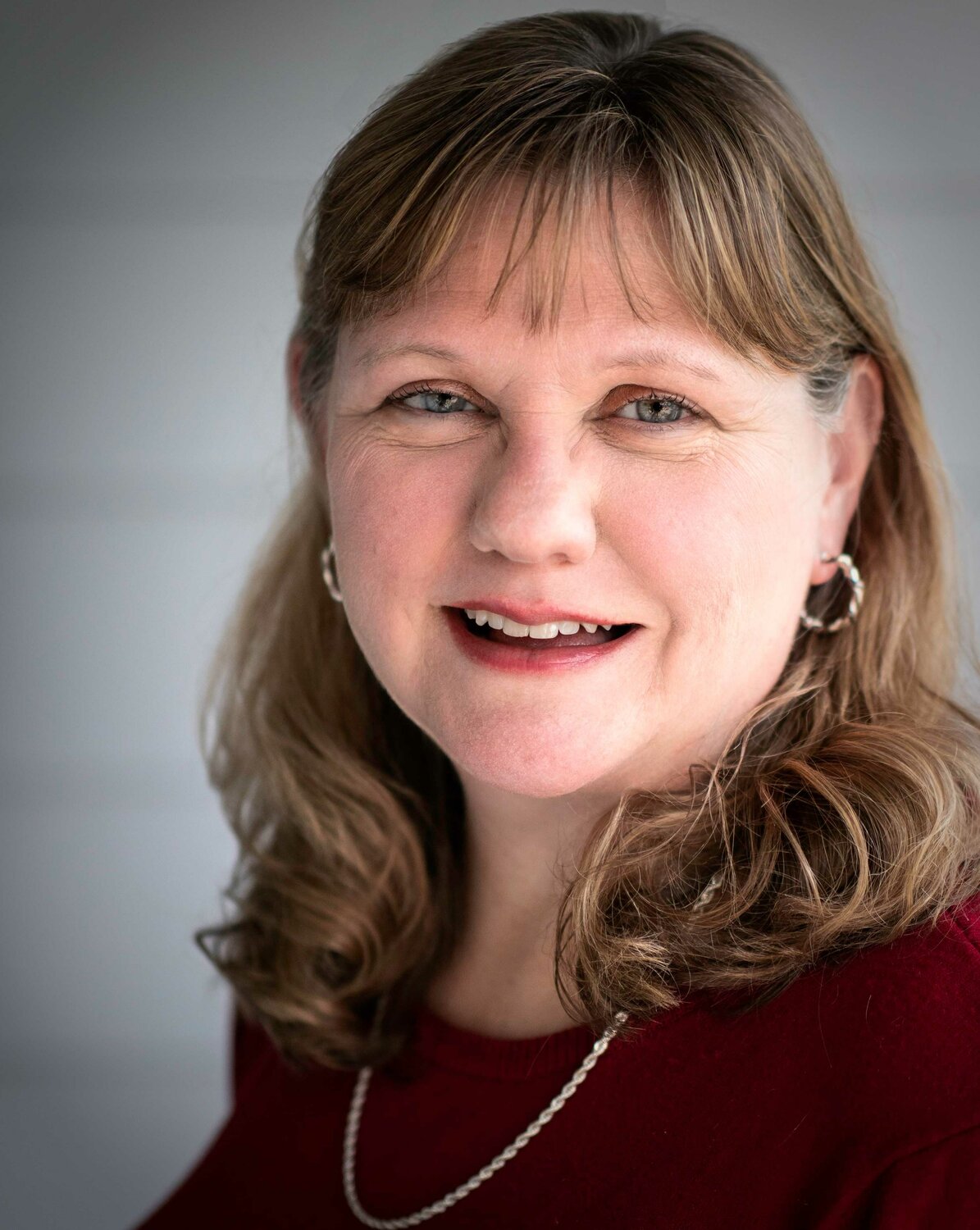
Mimi Freshley is a retired social worker who worked at PeaceHealth, Western Washington University and the Washington State Services for the Blind. She is a longtime resident of Whatcom County, living in Blaine.