Every day I get my mail with excited anticipation that there will be another seed catalog arriving.
With beautiful pictures and a plethora of promises for better, bigger and more productive harvests, we are lured into trying “one more variety.” Yes, I know I already have 10 varieties of tomato seeds waiting to be planted in little trays.
I promise myself every year that I will nurture them faithfully until they can be transplanted out. Invariably, I start them too early or the tray is too close to the window (and the temperature dips to 20°F – the cold coming off the glass shocking those baby tomato plants into death throes almost instantly). However, none of my failures ever seem to deter the desire to browse those lovely catalog and dream about how much better my garden would be if I had that curly purple red cabbage growing in it.
Take a really deep breath and a black marker. Circle every entry that sounds enticing. Now, open your seed storage area (I know you have one), and start reading the packages.
Each year, most of us probably plant fewer seeds than come in those lovely little envelopes. We save the leftovers, promising ourselves that we will use them next year.
If you haven’t taken the time to sort your seeds by type, do that this week. Make sure you separate your bush beans from your pole beans, your sweet peas from your snow peas, and so on. Then count how many packages of each one you have, and make a list.
If you can remember the strong performers, the ones that did really well in your garden, put a star by that variety. It makes sense to grow what has been successful, especially if you have a year-after-year track record. Seeds do get old, which lowers their germination rate, but you will often get seeds to germinate from packets that are 10-20 years old. If you want a really successful germination, stick with fresher seeds.
Now that you have sorted all of your seed packets, determined exactly what you have and how old they may be, it’s time to decide what you want to plant in your garden. Make sure that you are able to meet the cultivation requirements (well-drained soil, plenty of sun, spacing, etc.).
It’s helpful to map your garden. Knowing where you planted seeds will prevent you from putting them in the same space again, which reduces pests and improves soil health.
Do you have room left? If so, open that seed catalog again, and go shopping. After all, you’ve already circled some exciting finds.
When shopping, keep in mind that any seed variety labeled as an F1 hybrid will not produce seeds “true” to the plant you purchased. The F1 stands for first filial generation, which are seeds from the first generation of crossbreeding two plants with desirable characteristics. Plant breeders develop F1 hybrids to improve traits such as disease resistance, higher yields, uniform growth, appearance and flavor.
Unlike open-pollinated or heirloom seeds, the seeds from F1 hybrid plants will not reliably produce the same traits in the next generation, making seed saving ineffective. So, keep that in mind as you are making your selections.
Another important thing to remember when making your selection is we have slow-to-warm soils and a very low heat index during our summers. Varieties that like hot weather are not great choices. Look for plants with shorter harvest times. For example, lots of corn varieties will be ready in 100 days, but you will probably find more success with varieties that ripen in 75-80 days.
Lastly, any seed that is whole will grow a plant that produces food. Think of what you’d find at the bulk bins at most grocery stores – beans, popcorn, flax, barley, etc. You may not know the seed’s characteristics, such as if it will have a short or long harvest, but you will be able to grow something. It’s a fun experiment with your kids: Buy a 13-bean soup mix, and see what you get. The $1 you spend for a pound of seeds will be cost effective.
Catalogs aren’t the only place to find seeds. There are a variety of seed swaps available that can be found online.
Blaine CORE (Blaine Community Orchards for Resources and Education) will be presenting classes on vegetable gardening. Upcoming classes include “Winter Soil and Jumpstarting your Garden” from 10 a.m. to noon Saturday, February 28 at Blaine Public Library and “Weed Starting and Sprouting” 5:30-7:30 p.m. Wednesday, March 25 at the Blaine Community/Senior Center. Garden Design 101 will be a four-part series 5-7 p.m. every Thursday from February 12 to March 5 at the Blaine Community/Senior Center. The workshops are free, and everyone is welcome.
For more information on Blaine CORE classes, visit nwcore.org.
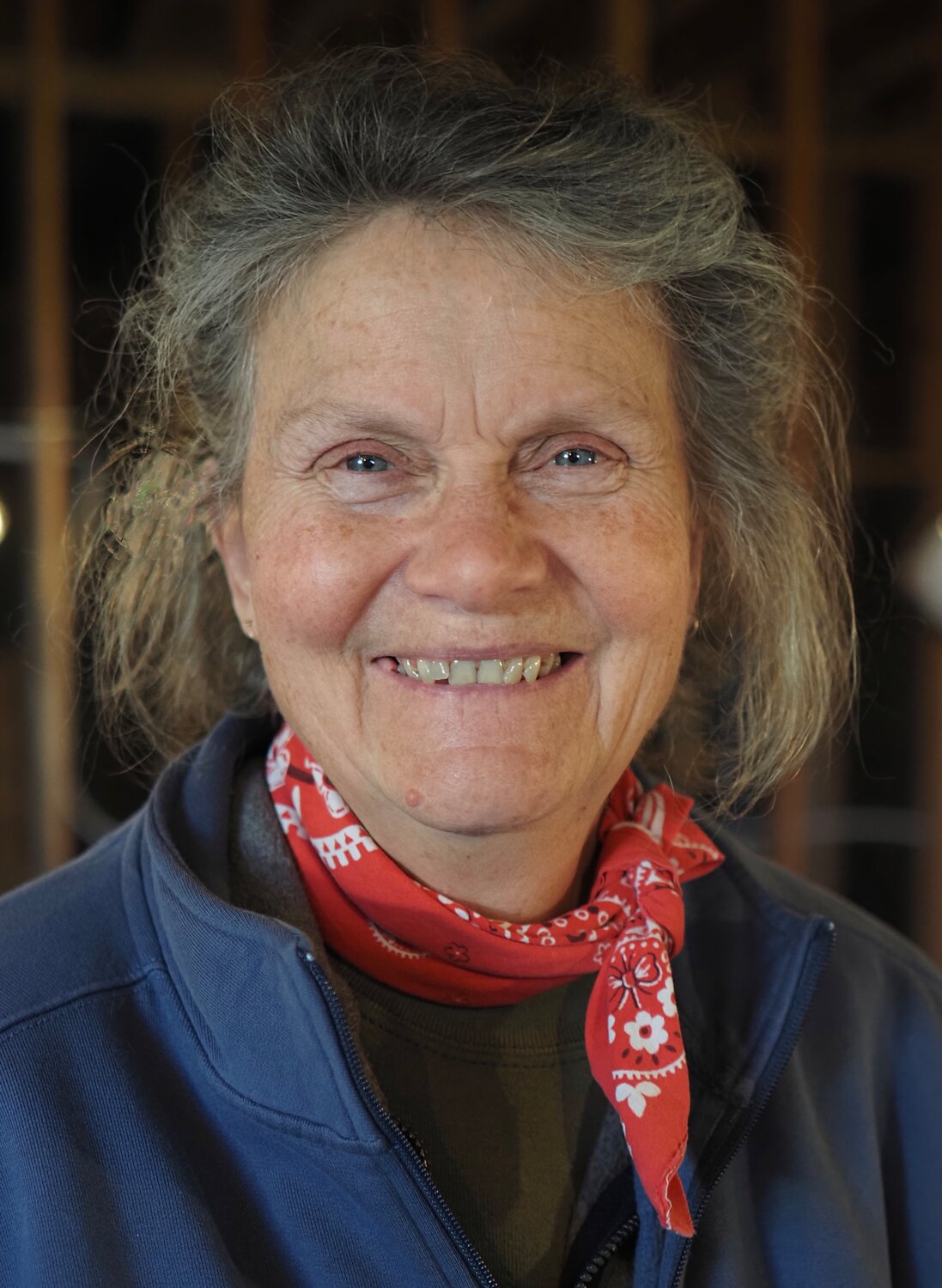
Kelle Rankin-Sunter is founder of Blaine CORE, which holds free home and gardening classes in Blaine. Rankin-Sunter can be reached at fruit@Blaine-CORE.com.